Catch Roofing Problems Early
Stop Leaks With Durable Flat Roofing Services in Washingtonville, NY
Flat and low-slope roofs perform differently than traditional steep-slope roofing systems. Instead of shedding water quickly, they rely on carefully designed drainage, durable waterproof membranes, and properly sealed penetrations to manage rainfall. When every component works together, a flat roof can provide decades of service. When drainage slows or seams begin to separate, however, water has more opportunity to remain on the roof surface, increasing the risk of leaks and premature deterioration.
Many commercial buildings and some residential properties throughout Washingtonville, NY, use flat roofing systems because they maximize usable space, simplify rooftop equipment placement, and offer practical long-term performance. These systems are engineered for a very different purpose than asphalt shingle roofs. Materials such as TPO, EPDM, PVC, and other single-ply membranes are selected for their ability to resist ultraviolet exposure, temperature fluctuations, and standing water while maintaining flexibility as the building expands and contracts throughout the seasons. Choosing the right material depends on the building’s use, roof configuration, drainage design, and long-term maintenance goals.
One of the most common misconceptions about flat roofs is that they should never hold water. In reality, even well-constructed roofs can experience temporary ponding after heavy rainfall. The concern begins when water remains on the surface for extended periods because of blocked drains, inadequate slope, damaged insulation, or deteriorating roofing materials. Left unaddressed, these conditions can place additional stress on membrane seams, flashing details, and roof penetrations, eventually allowing moisture to enter the roofing assembly and the building below.
Firehouse Roofing, LLC provides flat roofing services for commercial buildings and select residential properties in Washingtonville, NY, while serving customers throughout the Hudson Valley and surrounding areas. Our services include flat roof installation, replacement, repair, and maintenance using roofing systems selected for the specific needs of each property. Every project begins with a detailed evaluation of the existing roof, drainage conditions, and structural considerations so we can recommend solutions that address the underlying cause of the problem rather than only the visible symptoms.
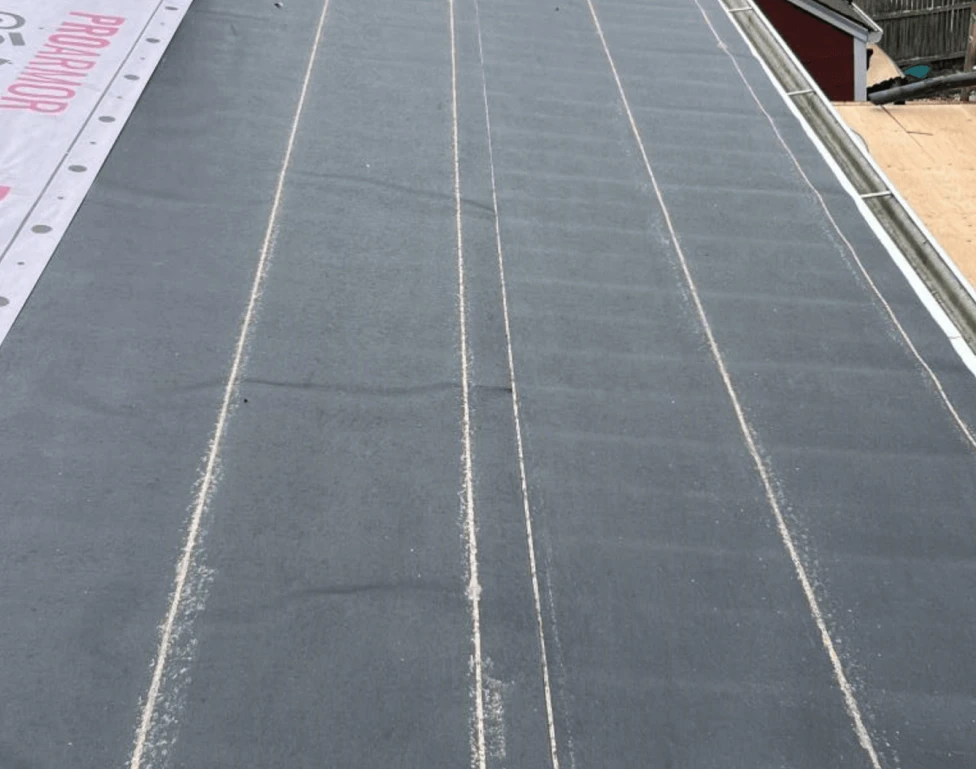
Choose the Right Flat Roofing System for Your Building
Flat roofing systems are not one-size-fits-all. The right solution depends on how the building is used, how the roof drains, the amount of rooftop equipment present, and the condition of the existing roofing assembly. A roof that supports HVAC units, solar equipment, or frequent maintenance traffic has different performance requirements than one with limited access. Evaluating these factors before recommending materials helps create a roofing system that supports the building for years to come.
Proper drainage is one of the most important elements of any flat roof. Although these roofs appear level, they are constructed with a slight slope that directs water toward drains, scuppers, or gutters. When debris blocks drainage paths or insulation settles over time, water can remain on the roof longer than intended. Extended ponding places additional stress on seams, flashing, and roof penetrations, making routine inspections an important part of maintaining the system.
Membrane condition also plays a significant role in long-term performance. Exposure to sunlight, changing temperatures, foot traffic, and weather can gradually affect seams and surface materials. Identifying small areas of separation, punctures, or flashing deterioration early often allows for more straightforward repairs before moisture reaches the insulation or roof deck below.
Our flat roofing services include:
- Flat Roof Installation: Every installation begins with evaluating the structure, drainage layout, insulation requirements, and intended use of the building. Proper preparation creates the foundation for a roofing system that manages water effectively and performs as expected throughout changing weather conditions.
- Flat Roof Replacement: When a roofing system reaches the end of its service life or repeated repairs are no longer practical, replacement provides an opportunity to improve drainage, update roofing materials, and address hidden deterioration beneath the existing membrane.
- Flat Roof Repair: Damage caused by punctures, seam separation, flashing deterioration, or localized leaks can often be corrected without replacing the entire roof. Locating the source of water intrusion is an important part of making repairs that address the actual problem rather than simply covering visible damage.
- TPO Roofing Systems: Thermoplastic Polyolefin (TPO) membranes are widely used on commercial buildings because they provide durable waterproof protection, heat-reflective properties, and welded seams that create a continuous roofing surface.
- EPDM Roofing Systems: EPDM is a synthetic rubber membrane known for its flexibility and ability to perform through seasonal temperature changes. It is commonly selected for buildings that benefit from a durable roofing material capable of accommodating normal structural movement.
- PVC Roofing Systems: PVC membranes offer excellent resistance to chemicals, grease, and moisture, making them a practical option for many restaurants, manufacturing facilities, and buildings where rooftop contaminants may be present.
- Single-Ply Roofing Systems: Single-ply membranes provide waterproof protection through a continuous roofing layer that is mechanically attached, adhered, or ballasted, depending on the building’s design and project requirements.
Routine inspections remain one of the most effective ways to extend the service life of a flat roofing system. Evaluating seams, flashing, drainage components, rooftop equipment, and membrane condition helps identify changes before they affect the interior of the building. Addressing minor concerns early often reduces repair costs and helps avoid disruptions caused by unexpected leaks.
If your building requires a complete roofing system evaluation, our Commercial Roofing Services provide additional information about maintenance planning, repairs, and replacement for commercial facilities. Property owners responding to severe weather may also benefit from our Storm Damage Restoration Services, where we inspect roofing systems for hidden storm-related damage and recommend the appropriate course of action.
Help Your Flat Roof Perform for Years to Come
Flat roofing systems often give property owners clear warning signs before major problems develop, but those signs are easy to overlook without regular inspections. Ponding water that remains long after rainfall, loose flashing around rooftop equipment, open membrane seams, and small punctures can all allow moisture to enter the roofing assembly. Once water reaches the insulation or roof deck, repairs may become more extensive than if the issue had been addressed earlier.
At Firehouse Roofing, LLC, we begin by evaluating how the entire roofing system is performing rather than focusing only on the location of a leak. Drainage, membrane condition, flashing, roof penetrations, insulation, and previous repairs all influence how a flat roof manages water and responds to changing weather conditions. Understanding how these components work together helps determine whether maintenance, repairs, restoration, or replacement provides the most practical solution for your building.
Routine maintenance also supports long-term roof performance. Seasonal inspections provide an opportunity to remove debris from drainage areas, examine seams for signs of movement, inspect flashing around rooftop equipment, and identify wear before it develops into interior water damage. For commercial property owners, this proactive approach can help reduce unexpected interruptions and provide valuable information when planning future roofing budgets.
Serving Washingtonville, NY, and the Hudson Valley and surrounding areas, we install, repair, and replace flat roofing systems for commercial buildings and select residential properties. Whether you’re addressing an active leak, planning for an aging roof, or evaluating options for a new construction project, we’ll explain what we find, answer your questions, and recommend solutions based on the condition and needs of your roofing system.
Frequently Asked Questions About Flat Roofing Services
How long does a flat roof typically last?
The lifespan depends on the roofing material, installation quality, maintenance history, and weather exposure. Regular inspections and timely repairs help extend the service life of TPO, EPDM, PVC, and other flat roofing systems.
Why does water remain on my flat roof after it rains?
Flat roofs are built with a slight slope, but temporary ponding can occur after heavy rainfall. Water that remains for an extended period may indicate blocked drains, drainage issues, settling insulation, or deterioration within the roofing system that should be evaluated.
Can a flat roof be repaired instead of replaced?
In many cases, yes. Localized seam separation, flashing damage, punctures, and isolated leaks can often be repaired when the remainder of the roofing system is still in good condition. A professional inspection helps determine the most appropriate solution.
Which flat roofing material is right for my building?
The answer depends on several factors, including the building’s use, drainage design, rooftop equipment, energy goals, and budget. During an evaluation, we’ll explain the advantages of different membrane systems and recommend the option that fits your property’s needs.
How often should a flat roof be inspected?
Most flat roofs should be inspected at least twice each year, typically in the spring and fall, and after severe weather. Routine inspections help identify drainage concerns, membrane wear, flashing issues, and other developing conditions before they affect the building’s interior.
Let’s Evaluate the Condition of Your Flat Roof
Every flat roofing system has different maintenance needs, repair priorities, and replacement timelines. Schedule an evaluation to better understand your roof’s condition and the options available for your building.